
Choosing the right educational environment for your toddler is one of the most important decisions a parent can make. Preschool education is more than just a stepping stone to formal schooling—it’s a foundational experience that nurtures a child’s growth in multiple ways. From social interaction to cognitive development, enrolling your toddler in a quality preschool can have lasting positive effects. In this article, we’ll explore 7 amazing benefits of preschool education for toddlers, helping parents understand why this early learning stage is so valuable.
1. Enhances Cognitive and Learning Skills
One of the primary advantages of preschool education is its role in fostering cognitive development. Toddlers are naturally curious, and structured preschool activities channel that curiosity into meaningful learning.
Example: Simple activities like sorting shapes, counting objects, or identifying colors may seem playful, but they strengthen problem-solving skills, memory, and concentration. Over time, children develop a foundation for early literacy and numeracy, which makes the transition to kindergarten smoother and less stressful.
2. Develops Social Skills
Preschool provides toddlers with their first consistent opportunity to interact with peers outside their family. These social interactions are crucial for building communication skills, empathy, and cooperation.
Scenario: When a child shares toys during playtime or waits their turn in a game, they learn patience, respect for others, and teamwork. These early experiences help toddlers navigate relationships, resolve conflicts, and build confidence in social settings.
3. Promotes Emotional Growth
Preschool education is also instrumental in fostering emotional intelligence. Toddlers encounter new situations, face small challenges, and learn to express their feelings appropriately.
Example: A child who is initially shy during circle time may gradually gain confidence to speak in front of the group. Teachers guide children in recognizing emotions, understanding others’ feelings, and coping with frustration or disappointment. This early emotional growth lays the groundwork for resilience and self-awareness.
4. Encourages Independence and Self-Confidence
Preschool is a safe environment for toddlers to start performing tasks independently. Simple routines like putting on their own shoes, washing hands before snacks, or tidying up after playtime help children develop self-reliance and a sense of accomplishment.
Scenario: Completing a puzzle or finishing an art project on their own may seem small, but these achievements boost confidence and reinforce the idea that they are capable of taking initiative. This independence extends beyond the classroom, helping toddlers approach new challenges with courage.
5. Stimulates Creativity and Imagination
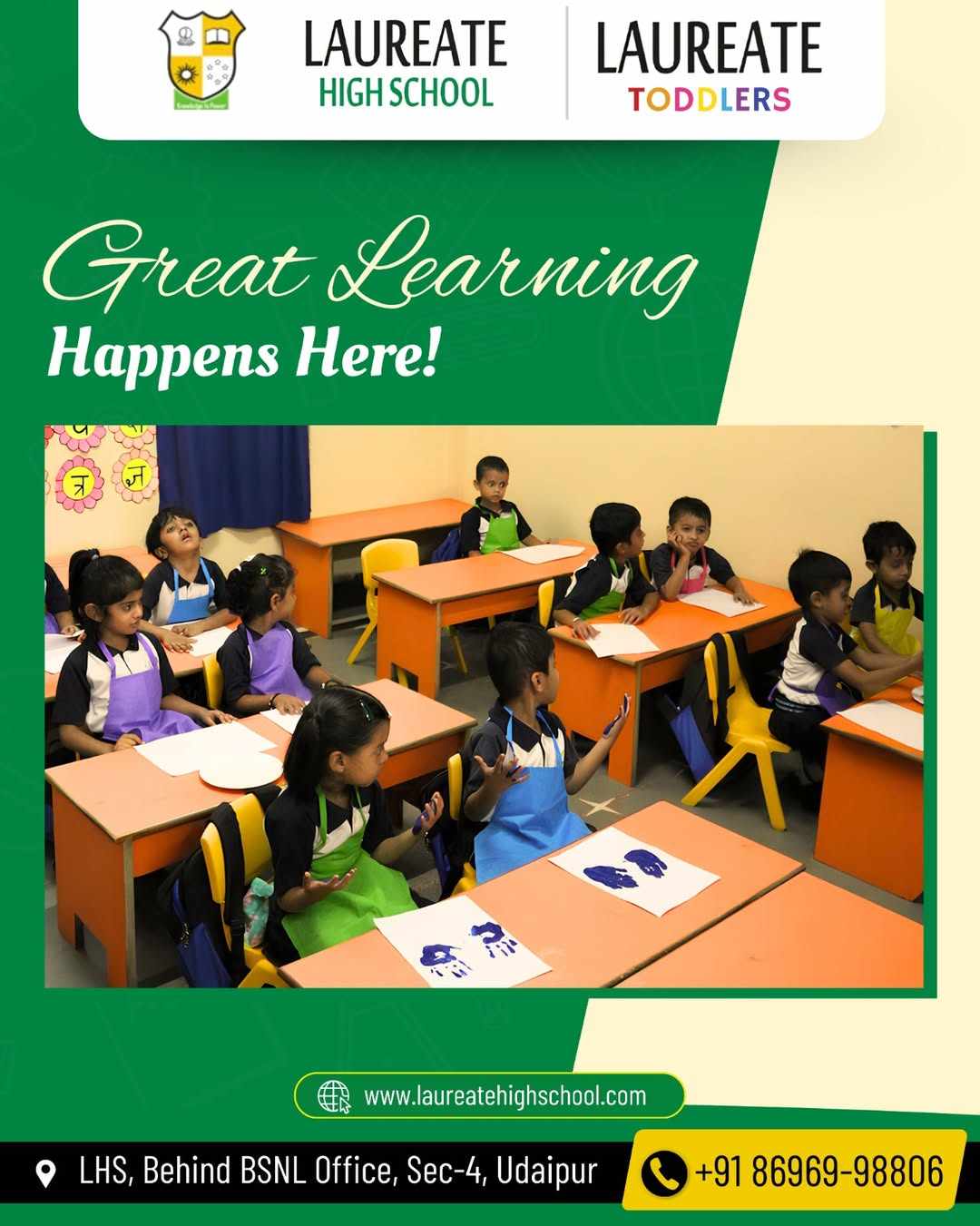
Creative expression is a key part of early childhood development, and preschools are designed to nurture this. Activities like drawing, painting, role-playing, or storytelling allow toddlers to explore their imagination while improving fine motor skills and problem-solving abilities.
Example: A child who creates a small cardboard “castle” during playtime is not only having fun but also learning spatial reasoning, planning, and artistic expression. Encouraging creativity at this age fosters innovative thinking that benefits learning later in life.
6. Establishes Routine and Structure
Preschool introduces toddlers to a structured daily routine, which is essential for developing discipline and time management skills. Children learn to follow schedules for meals, nap time, playtime, and learning activities.
Scenario: A consistent routine helps toddlers understand expectations and prepares them for the structured environment of primary school. It also provides a sense of security, reducing anxiety and helping children adapt to new experiences more confidently.
7. Supports Physical Development
Physical activity is an integral part of preschool education. Toddlers engage in activities that improve gross motor skills, like running, climbing, or balancing, as well as fine motor skills, such as cutting with scissors, drawing, or stacking blocks.
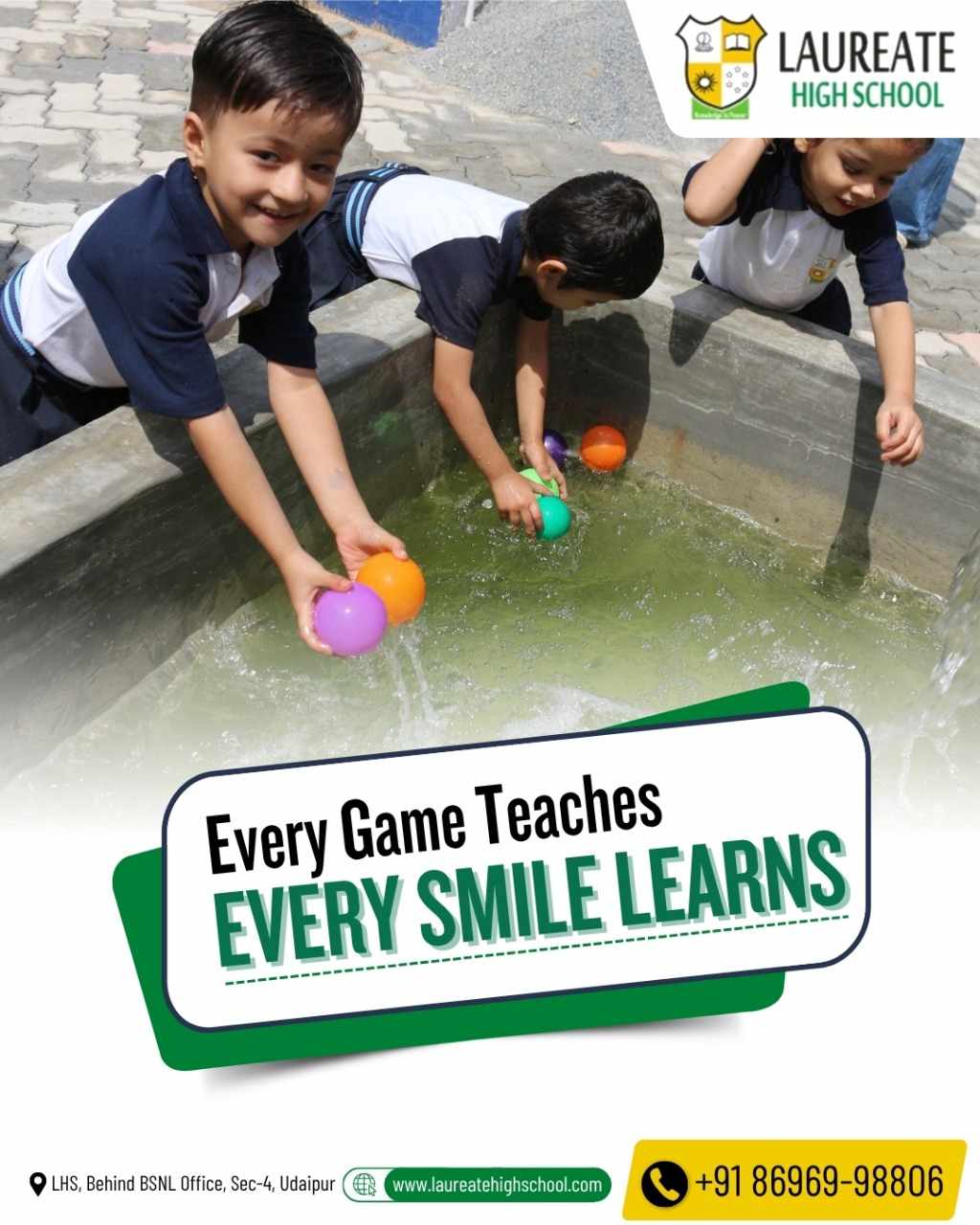
Example: Participating in group games or outdoor play not only keeps children active but also enhances coordination, balance, and overall health. Physical development at this stage also supports cognitive growth, as active play stimulates brain development.
Conclusion
Enrolling your toddler in preschool is much more than a preparation for kindergarten—it’s a critical step in early childhood development. From enhancing cognitive and learning skills to fostering emotional growth, social interaction, creativity, and independence, preschool offers a well-rounded environment that nurtures the whole child.
By encouraging toddlers to explore, interact, and develop new skills, preschool lays the foundation for lifelong learning and confidence. Parents who prioritize early education give their children a head start in academic readiness, social competence, and emotional resilience.
In short, the benefits of preschool are profound, lasting, and essential. Choosing a nurturing preschool ensures your toddler grows into a confident, creative, and capable individual, ready to thrive in school and beyond.
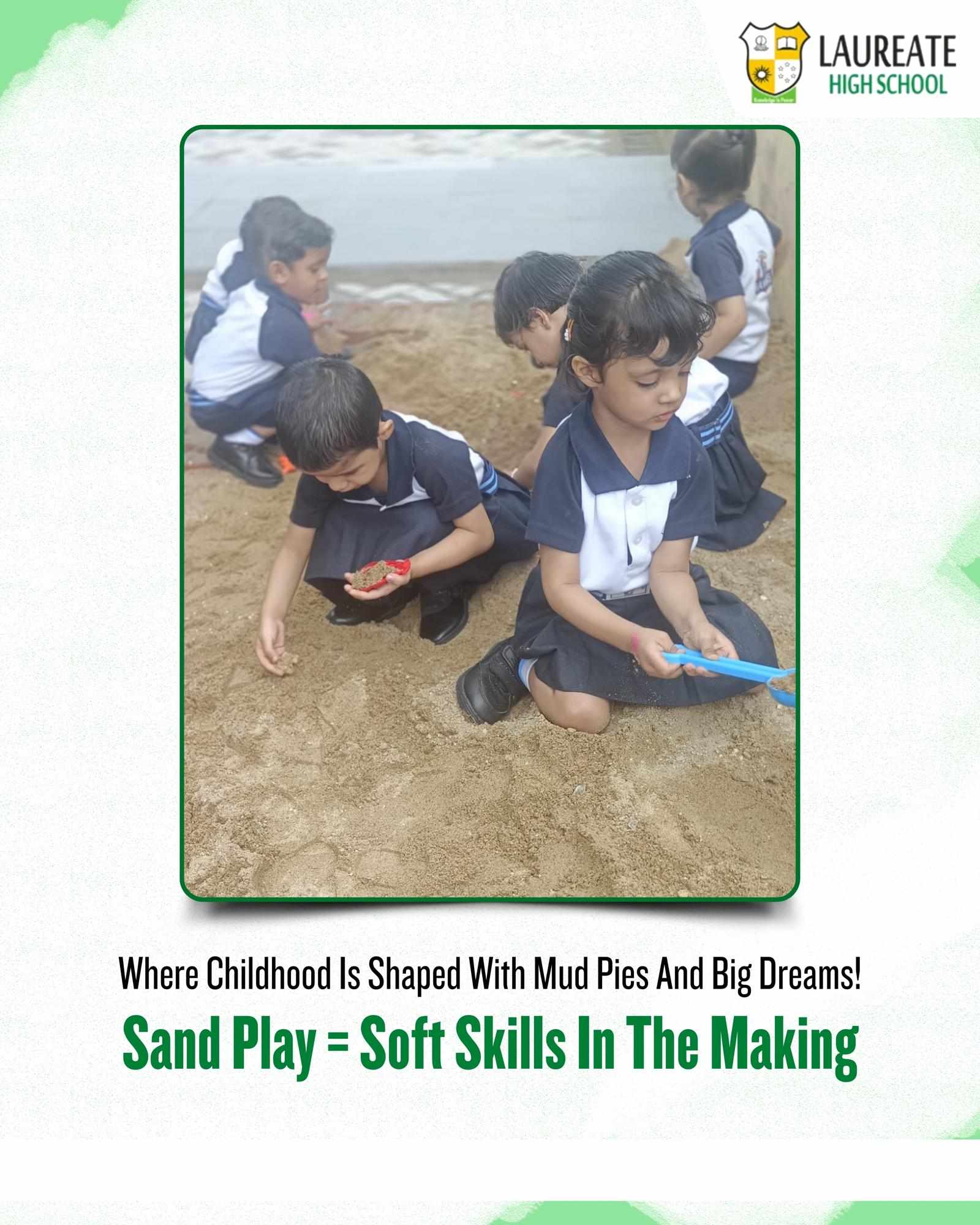
Give Your Child the Best Start at Laureate High School
Enroll your toddler at Laureate High School, where holistic learning, skilled teachers, and a nurturing environment help children grow, explore, and thrive. 🌟 Discover the joy of early education and set your child on the path to a confident and successful future.






Write a comment ...